16 March 2026
From spikes to meaning – and back?
How the brain encodes and decodes information



Fleur Zeldenrust

Michael Tangermann
* * * * *
Your brain
is constantly encoding the world into electrical signals. But how does meaning emerge from this neural activity? From the firing of individual neurons to the rich patterns underlying perception, memory, and imagination, the brain processes information across many levels of organization. On March 16th, the Science Café explores what 'information' means in the brain, how it is encoded and transmitted, and how scientists - with the help of artificial intelligence - are attempting to decode these signals. By bridging biology and computation, we ask how meaning arises from neural activity and what this reveals about both natural and artificial cognition.
Two researchers offer complementary perspectives on how the brain computes. Fleur Zeldenrust (RU) explains how neural coding and network dynamics shape information processing in the brain. Michael Tangermann (RU) focuses on decoding brain signals and brain–computer interfaces, where algorithms translate neural activity into action, communication, and insight. Alongside thought-provoking science, the evening will tickle your neurons with live jazz by Trio In Dubio, featuring piano, alto saxophone, and bass.
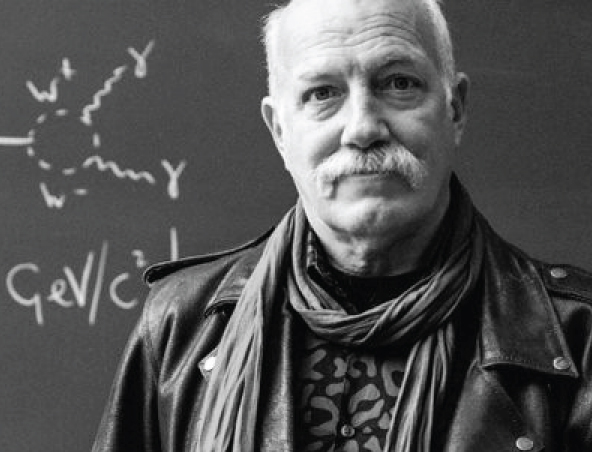
Ronald Kleiss
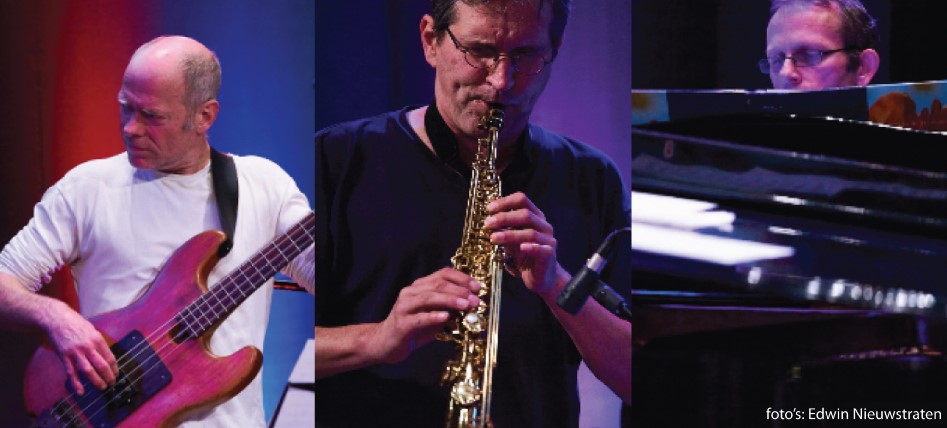
Trio In Dubio
Further reading & listening
Focus met neurowetenschapper Fleur Zeldenrust (podcast)
Decoding the brain: From neural representations to mechanistic models
The Future of Brain Science: Computers reading your mind
Can AI Read Your Mind? The Rise of Brain-Computer Interfaces
How AI can read our scrambled inner thoughts
A decoder that uses brain scans to know what you mean — mostly